

Learn · Institutions
Who runs the European Union
The seven institutions the treaties name, what each one does, and the people who hold office in them. Select an institution on the map to read its profile. Every name links to that person’s own official page.
People refreshed 21 September 2026 · From the institutions’ own sites
Brussels
European Commission
Proposes almost all EU legislation, carries out the budget, and enforces the treaties, taking member states to court when they break EU law. Each of the 27 members holds a portfolio; together they are the College, appointed for five years.
- College
- 27 members, one per country, for five years
- Proposes
- Laws and the annual budget
The College, 27 members
Select a name for their official profile PresidentUrsula von der LeyenPresident of the European Commission
 Executive Vice-PresidentTeresa RiberaClean, Just and Competitive Transition
 Executive Vice-PresidentHenna VirkkunenTech Sovereignty, Security and Democracy
 Executive Vice-PresidentStéphane SéjournéProsperity and Industrial Strategy
 Executive Vice-PresidentRoxana MînzatuSocial Rights and Skills, Quality Jobs and Preparedness
 Executive Vice-PresidentRaffaele FittoCohesion and Reforms
 High Representative and Vice-PresidentKaja KallasHigh Representative for Foreign Affairs and Security Policy
 CommissionerMaroš ŠefčovičTrade and Economic Security Interinstitutional Relations and Transparency
 CommissionerValdis DombrovskisEconomy and Productivity Implementation and Simplification
 CommissionerDubravka ŠuicaMediterranean
 CommissionerOlivér VárhelyiHealth and Animal Welfare
 CommissionerWopke HoekstraClimate, Net Zero and Clean Growth
 CommissionerAndrius KubiliusDefence and Space
 CommissionerMarta KosEnlargement
 CommissionerJozef SíkelaInternational Partnerships
 CommissionerCostas KadisFisheries and Oceans
 CommissionerMaria Luís AlbuquerqueFinancial Services and the Savings and Investments Union
 CommissionerHadja LahbibEquality Preparedness and Crisis Management
 CommissionerMagnus BrunnerInternal Affairs and Migration
 CommissionerJessika RoswallEnvironment, Water Resilience and a Competitive Circular Economy
 CommissionerPiotr SerafinBudget, Anti-Fraud and Public Administration
 CommissionerDan JørgensenEnergy and Housing
 CommissionerEkaterina ZaharievaStartups, Research and Innovation
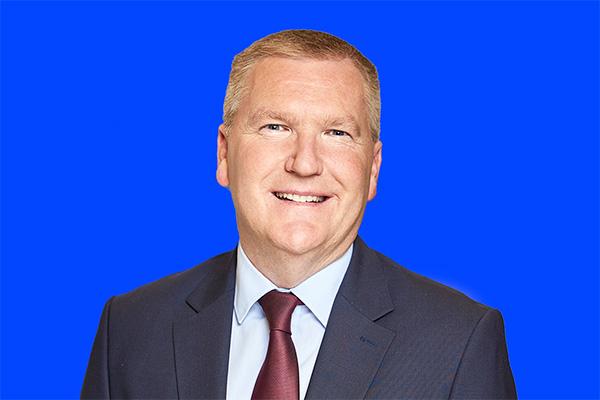 CommissionerMichael McGrathDemocracy, Justice, the Rule of Law and Consumer Protection
 CommissionerApostolos TzitzikostasSustainable Transport and Tourism
 CommissionerChristophe HansenAgriculture and Food
 CommissionerGlenn MicallefIntergenerational Fairness, Youth, Culture and Sport
Sources
- College of Commissioners
The 27 members of the Commission, their portfolios and their profile pages.
European Commission · Retrieved 21 September 2026
- European Parliament open data — current MEPs
The 718 sitting MEPs, with country and political group.
European Parliament · Retrieved 21 September 2026
European Parliament open data, free to reuse with attribution
- EU Whoiswho — the official directory of the European Union
Office holders in the European Council (29), the Council of the EU (1037 national ministers) and the European Court of Auditors (27), read from the Publications Office SPARQL endpoint.
Publications Office of the European Union · Retrieved 21 September 2026
- European Central Bank — decision-making bodies
The 33 members of the Executive Board, the Governing Council and the General Council, with their posts and official portraits.
European Central Bank · Retrieved 21 September 2026
- Court of Justice of the European Union — members
The 90 members of the Court of Justice and the General Court, with their posts and official portraits.
Court of Justice of the European Union · Retrieved 21 September 2026
Notes
- Names, titles and profile links are taken from the institutions themselves by
npm run data:institutions, never typed in by hand. - The Commission, the Parliament, the European Central Bank and the Court of Justice publish their members in a form a script can read, with portraits. Their own pages are read directly. The European Council, the Council of the EU and the Court of Auditors do not, so their people come from EU Whoiswho, the Publications Office’s official directory, which carries names and posts but no portrait and no profile page.
- People change: a resignation or reshuffle shows here only after the next refresh. The date above says when that was.
- Portraits are shown as published by the institutions themselves and loaded from their own sites. The European Council, the Council and the Court of Auditors publish none, so their people get a neutral icon.
- What the institutions do, and how they work together, is explained in more depth in the guide to the EU.